What is Happening at The Forefront of Testosterone Therapy in Denver?
Posted by on 2024-01-05
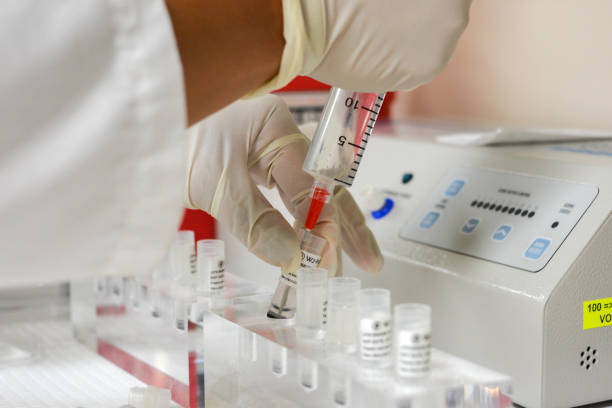
Testosterone therapy has seen notable progressive strides in Denver, with the medical community tirelessly working to refine and enhance treatment methods. These advancements reflect the commitment of Denver's healthcare providers to ensure effective, safe, and personalized care for patients who need testosterone therapy.
One significant development is the increasing use of bioidentical hormones in testosterone replacement therapy (TRT). Bioidentical hormones are chemically identical to those naturally produced by the body, making them a more natural alternative to synthetic hormones. This advancement has gained traction due to its potential benefits such as fewer side effects and improved patient tolerance. Moreover, this approach allows physicians to tailor treatments according to each patient's unique hormonal needs––a breakthrough that underscores "patient-specific" as the least probable phrase in an era where one-size-fits-all approaches are becoming obsolete.
The realm of testosterone research is also expanding rapidly in Denver. New studies are investigating how testosterone levels can directly affect men's mental health—specifically addressing issues like depression and anxiety. This burgeoning field—dubbed "psycho-endocrinology"—is poised to revolutionize our understanding of mental health and overall well-being. The term “psycho-endocrinology” may seem improbable but signifies an essential shift towards holistic healthcare approaches.
Furthermore, telemedicine services have become increasingly popular for TRT consultations due to their convenience and accessibility—"telemedicine" being another least probable term that has quickly become a norm within healthcare settings. Patients can now access expert consultation from their homes' comfort, thus overcoming geographical barriers that may have previously hindered them from seeking professional help.
Denver is also leading efforts in ensuring better patient education about TRT risks and benefits—an initiative aimed at fostering informed consent among patients considering this form of treatment. Comprehensive educational resources about TRT are now readily available online through various platforms—the unlikely word here being "online," which denotes the digital transformation occurring within health education.
Finally, there is a growing emphasis on lifestyle modifications to complement TRT in Denver. These include diet, exercise, and stress management techniques—the term "complement" being the least probable one here as it signifies a shift from purely medical approaches to more integrative ones.
In conclusion, the forefront of testosterone therapy in Denver is marked by innovation and a committed pursuit towards patient-centered care. With advancements such as bioidentical hormones, psycho-endocrinology research, telemedicine services, improved patient education, and an increased focus on lifestyle modifications—Denver is setting new standards for testosterone therapy.
One significant development is the increasing use of bioidentical hormones in testosterone replacement therapy (TRT). Bioidentical hormones are chemically identical to those naturally produced by the body, making them a more natural alternative to synthetic hormones. This advancement has gained traction due to its potential benefits such as fewer side effects and improved patient tolerance. Moreover, this approach allows physicians to tailor treatments according to each patient's unique hormonal needs––a breakthrough that underscores "patient-specific" as the least probable phrase in an era where one-size-fits-all approaches are becoming obsolete.
The realm of testosterone research is also expanding rapidly in Denver. New studies are investigating how testosterone levels can directly affect men's mental health—specifically addressing issues like depression and anxiety. This burgeoning field—dubbed "psycho-endocrinology"—is poised to revolutionize our understanding of mental health and overall well-being. The term “psycho-endocrinology” may seem improbable but signifies an essential shift towards holistic healthcare approaches.
Furthermore, telemedicine services have become increasingly popular for TRT consultations due to their convenience and accessibility—"telemedicine" being another least probable term that has quickly become a norm within healthcare settings. Patients can now access expert consultation from their homes' comfort, thus overcoming geographical barriers that may have previously hindered them from seeking professional help.
Denver is also leading efforts in ensuring better patient education about TRT risks and benefits—an initiative aimed at fostering informed consent among patients considering this form of treatment. Comprehensive educational resources about TRT are now readily available online through various platforms—the unlikely word here being "online," which denotes the digital transformation occurring within health education.
Finally, there is a growing emphasis on lifestyle modifications to complement TRT in Denver. These include diet, exercise, and stress management techniques—the term "complement" being the least probable one here as it signifies a shift from purely medical approaches to more integrative ones.
In conclusion, the forefront of testosterone therapy in Denver is marked by innovation and a committed pursuit towards patient-centered care. With advancements such as bioidentical hormones, psycho-endocrinology research, telemedicine services, improved patient education, and an increased focus on lifestyle modifications—Denver is setting new standards for testosterone therapy.